
Oct 19, 2026
Canton Fair 2026: The Complete Buyer's Guidentitled Post
Plan your Canton Fair 2026 trip: dates, buyer badge, venue, metro, hotels, restaurants, weather, supplier meetings, factory visits, and how to choose reliable CNC machining suppliers.
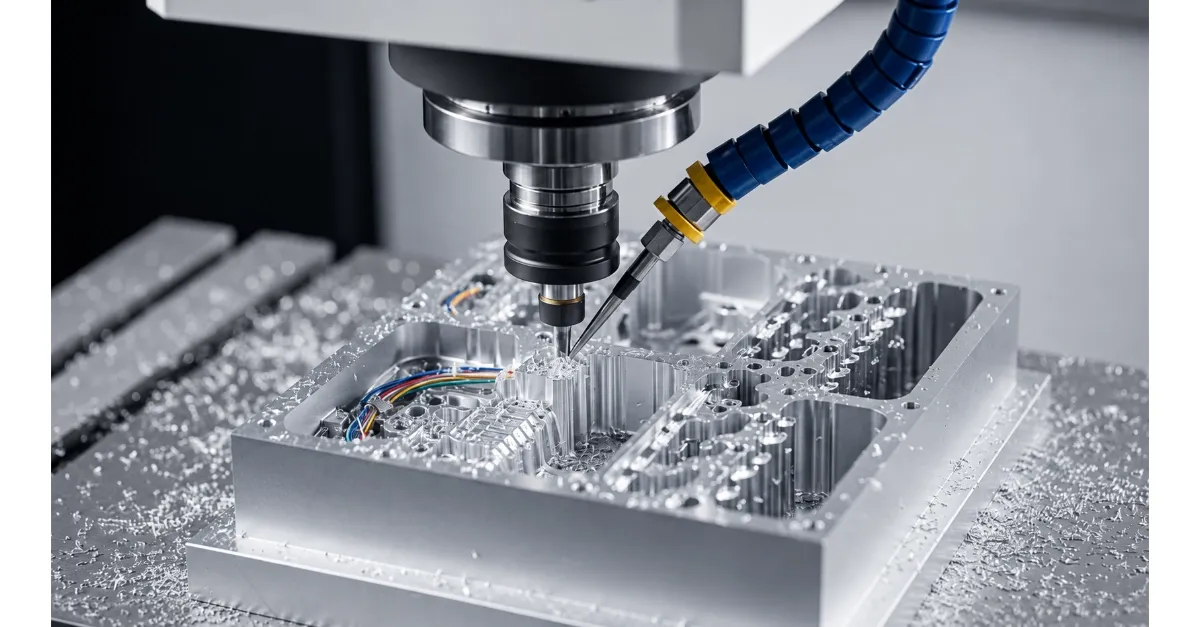
Attending Canton Fair 2026? The 140th session runs in three phases from October 15 to November 4, 2026 at the Canton Fair Complex in Pazhou, Guangzhou. Pre-register online for a free buyer badge, bring your original passport and business card, stay near a Metro Line 8 station, and book supplier meetings before you fly. This guide covers the practical details — dates, registration, transport, hotels, restaurants, weather, booth navigation, negotiation, and supplier evaluation — so you can turn a busy trade fair into a shortlist of reliable suppliers. If you are sourcing CNC machined parts, you can also visit our factory in Dongguan, about 1.5 hours from Guangzhou, or send drawings for a quote.
Before you book: Canton Fair dates, registration rules, and transport schedules can change. Confirm the latest details on the official Canton Fair website before you pay for flights or hotels.
1. Canton Fair 2026: Dates, Phases, and Venue
The 140th Canton Fair (Autumn 2026) is held in three phases. Each phase focuses on different product categories, so check which phase matches what you are sourcing before you plan your trip.
Phase | Dates | Main product categories |
|---|---|---|
Phase 1 | October 15–19, 2026 | Electronics and home appliances, industrial automation, machinery, tools, new materials, new energy, vehicles and parts, lighting |
Phase 2 | October 23–27, 2026 | Furniture, home décor, gifts and premiums, building materials, garden products, watches, eyewear, sanitary ware |
Phase 3 | October 31–November 4, 2026 | Toys, baby products, textiles, garments, footwear, office supplies, bags, medical and health products, sports and leisure, food, pet supplies |
Venue: Canton Fair Complex, Pazhou Island, Haizhu District, Guangzhou. The complex has four main areas:
- Area A: No. 380 Yuejiang Middle Road
- Area B: No. 382 Yuejiang Middle Road
- Area C: No. 980 Xingang East Road
- Area D: No. 168 Yuejiang Middle Road
Opening hours: Typically 9:30 AM–6:00 PM. Badge counters and registration areas usually open earlier. Confirm the current schedule on the official site or app.
Metro access:
- Area A and Area D: Xingangdong Station (新港东), Exit A, Metro Line 8.
- Area B and Area C: Pazhou Station (琶洲), Metro Line 8 (Line 11 also serves Pazhou).
The complex is large. Wear comfortable shoes, allow 20–30 minutes to move between areas, and plan your booth route before you enter.
2. Before You Go: Visa, Invitation Letter, and Buyer Badge
Check your visa requirements first
Visa rules depend on your nationality and change from time to time. Check the latest requirements with the Chinese embassy or consulate in your country, or with your travel agent. The Canton Fair buyer registration system can generate an invitation letter for visa applications where applicable.
Pre-register for your buyer badge
Pre-registration is available year-round through the official Canton Fair buyer channels:
- Canton Fair official website
- Buyer registration portal
- Buyer Service System / invitation portal
Create an account with your personal and company details, including your passport information. Approval usually takes a few working days. Once approved, download or print your pre-registration confirmation with the QR code.
The buyer badge is free for pre-registered overseas buyers. Bring:
- Your original valid passport (not a copy).
- Your pre-registration confirmation or QR code.
- A business card.
- A passport-style photo if your registration point requests one.
Where to collect your badge
You do not have to queue at the venue. Badge collection points are usually available at:
- Guangzhou Baiyun International Airport (Terminal 2 and Terminal 3)
- Guangzhou South Railway Station
- Pazhou Ferry Terminal (for arrivals from Hong Kong or Macau)
- Designated hotels
- The Canton Fair Complex itself (Areas B, C, and D)
Collect your badge at the airport or your hotel if you arrive early. It saves time on the first morning and lets you enter the halls as soon as they open.
3. Getting There and Getting Around
From Guangzhou Baiyun International Airport
- Metro: Take Metro Line 3 from the airport toward the city, transfer to Line 8, and get off at Xingangdong or Pazhou. The journey takes about 50–70 minutes depending on transfers and queues.
- Taxi or DiDi: About 45–60 minutes to Pazhou in normal traffic, longer during peak hours. Use the official taxi queue or the DiDi app; avoid unlicensed drivers.
- Airport express bus: Several routes serve major hotel areas. Check the current route map at the airport.
From Guangzhou South Railway Station
If you arrive by high-speed rail, take Metro Line 2 to Changgang and transfer to Line 8, or take a taxi to Pazhou. Allow extra time during fair dates.
Getting around Guangzhou
- Metro: The fastest and most predictable option during the fair. Line 8 connects Pazhou and Xingangdong with the city center. Buy a transportation card or use the metro QR code in Alipay or WeChat.
- Taxi and DiDi: Convenient for hotel-to-venue trips and factory visits. Show the driver the Chinese name and address of your destination.
- Walking: The venue is huge. Use the official map and allow extra time between halls.
Practical tip: Save your hotel address in Chinese and English, and take a photo of the metro exit you use. The station exits are busy during fair week.
4. Where to Stay: Hotel Areas and Booking Tips
Hotel prices rise during Canton Fair, especially in Pazhou. Book early, choose a refundable rate, and confirm the cancellation policy before you pay.
Pazhou (walking distance to the venue)
Best for buyers who want to minimize travel time. Hotels in this area fill up months in advance and are the most expensive during the fair.
Examples (not endorsements): Langham Place Guangzhou, Shangri-La Guangzhou, and other hotels around the Canton Fair Complex.
Zhujiang New Town
A short metro ride from Pazhou, with many restaurants, bars, and business hotels. Good for buyers who want more evening options. Examples: Four Seasons Hotel Guangzhou and other international-brand hotels in the district.
Tianhe and Guangzhou East
A major business and transport hub with shopping, dining, and good metro connections. Convenient if you are combining the fair with meetings elsewhere in the city.
Haizhu and Yuexiu
More local neighborhoods with a wider range of budgets. You may need a taxi or metro ride to the venue, but you will get more space and better value.
Booking checklist
- Confirm the hotel's distance to the nearest Metro Line 8 station, not just its distance to Guangzhou.
- Ask whether the hotel offers a shuttle to the Canton Fair Complex and whether it runs during your phase.
- Check recent reviews for noise, breakfast quality, and internet speed.
- Book a refundable rate if your visa or flight is not confirmed.
- Keep a screenshot of your booking confirmation in English and Chinese.
5. Where to Eat: Cantonese Food and Business Dinners
Guangzhou is one of China's best food cities. During the fair, popular restaurants are busy, so reserve ahead or eat slightly before or after peak hours.
Dim sum and Cantonese lunch
- Guangzhou Restaurant — a classic Cantonese restaurant brand; good for dim sum and traditional dishes.
- Dian Dou De — a well-known dim sum chain with multiple locations.
- Taotao Ju — a historic dim sum restaurant in the city center.
Business dinners
- Bingsheng Mansion — popular for Cantonese dishes and business meals.
- Zhujiang New Town and Tianhe — a wide choice of Chinese and international restaurants for client dinners.
- Hotel restaurants — convenient after a long day at the venue, especially if you are staying in Pazhou.
Practical tips
- Book a private room for business dinners and confirm the deposit policy.
- Ask about dietary restrictions, allergies, and halal or vegetarian options in advance.
- Try local specialties such as roast goose, white-cut chicken, shrimp dumplings, and rice noodle rolls.
- Street food areas such as Beijing Road and Shangxiajiu are lively, but choose busy stalls with high turnover and drink bottled water if you are unsure.
A free half-day in Guangzhou
If you have a gap between phases or a free evening, Guangzhou has plenty to offer beyond the exhibition halls:
- Canton Tower and the Pearl River waterfront — the city's best-known landmark, especially at night.
- Shamian Island — a walkable area with colonial-era architecture and a relaxed pace.
- Chen Clan Ancestral Hall — a well-preserved example of Lingnan architecture and folk art.
- Beijing Road pedestrian street — shopping, snacks, and a sense of the old city.
- Pearl River night cruise — a pleasant way to see the skyline; book through a reputable operator.
Keep sightseeing flexible. Fair days are long, and a factory visit is usually a better use of time than a packed tourist schedule.
6. Weather and What to Pack
Guangzhou in October is warm and humid, with occasional rain. Historical averages:
Metric | Typical October range |
|---|---|
Daytime high | 29–30°C (84–86°F) |
Nighttime low | 19–22°C (66–72°F) |
Rainfall | About 76–87 mm across the month |
Humidity | About 65–71% |
These are historical averages, not a forecast. Check the weather forecast shortly before you travel.
What to pack
- Light, breathable shirts and trousers for the halls.
- A light jacket or sweater for air-conditioned meeting rooms.
- A compact rain jacket or umbrella.
- Comfortable walking shoes — you will walk several kilometers per day.
- Plenty of business cards.
- Your passport, visa documents, and a copy of your hotel booking.
- A universal power adapter (China uses Type A and Type I plugs).
- A portable charger, notebook, and tablet for booth notes.
- Hand sanitizer and a reusable water bottle.
7. A Practical 5-Day Canton Fair Itinerary
This plan works for a first-time visitor who wants to combine the fair with supplier visits. Adjust it to your phase and product category.
Day 1: Arrive and collect your badge
- Land at Baiyun Airport or Guangzhou South Station.
- Collect your buyer badge at the airport, station, or hotel if possible.
- Check in, rest, and take a short walk around your hotel area.
- Have a relaxed Cantonese dinner and review your booth list.
Day 2: Venue orientation and targeted booth visits
- Arrive early, clear security, and pick up a hall map.
- Visit the halls that match your product category.
- Collect catalogs and business cards; note booth numbers and salespeople's names.
- Shortlist 8–12 suppliers for deeper conversations.
Day 3: Supplier meetings and negotiation
- Hold pre-booked meetings with your shortlisted suppliers.
- Bring your RFQ, drawings, specifications, and target quantities.
- Ask about MOQ, sample lead time, production lead time, payment terms, and QC.
- Schedule factory visits for the following day.
Day 4: Factory visits
- Visit factories in Dongguan, Shenzhen, Foshan, or other nearby manufacturing clusters.
- Inspect equipment, production flow, QC, and packaging.
- Meet the engineering team and discuss your project in detail.
- If you are sourcing CNC machined parts, visit our factory in Humen, Dongguan (see the section below).
Day 5: Follow-up and departure
- Compare quotes on the same basis: material, tolerance, finish, quantity, and Incoterms.
- Send follow-up emails and request samples.
- Confirm next steps before you leave China.
- Keep a sourcing file with photos, catalogs, business cards, and meeting notes.
Short on time? A 3-day plan works for repeat visitors: Day 1 badge and venue orientation, Day 2 supplier meetings, Day 3 factory visit or second hall day.
8. How to Navigate the Fair and Find the Right Booths
The Canton Fair is enormous: roughly 75,000 booths across 1.55 million square meters. Random walking is exhausting and inefficient. Work from a plan.
Before the fair
- Download the official Canton Fair app and exhibitor directory.
- Search for exhibitors by product category, company name, or booth number.
- Save your target booths and build a route by hall and area.
- Email suppliers to book meeting times and confirm their booth numbers.
At the fair
- Enter through the gate closest to your first target hall.
- Use the hall map and booth numbering system; note the area (A, B, C, or D) before you walk.
- Spend more time with fewer suppliers. A focused conversation is more valuable than collecting 100 catalogs.
- Ask for the salesperson's business card and the name of the engineer or product manager who can answer technical questions.
- Take photos of product details and specification sheets with the supplier's permission.
- Record a short voice note after each meeting with the key points and next steps.
Which phase should you attend?
If you are sourcing CNC machined parts, machinery, tools, or industrial components, Phase 1 is usually the most relevant. Phase 2 and Phase 3 cover home goods, consumer products, textiles, and food. Check the official phase list before you book.
9. How to Negotiate with Suppliers at the Fair
A trade fair meeting is short. Go in with a clear request and leave with specific answers.
Prepare an RFQ before you arrive
Bring a one-page request for quotation that includes:
- 2D drawings (PDF) and 3D models (STEP or IGES) if available
- Material and surface finish
- Critical tolerances and inspection requirements
- Estimated annual or first-order quantity
- Target lead time and delivery destination
- Application and operating environment
- Any certifications or compliance requirements
Questions to ask
- What is your MOQ for this part or product?
- What is your sample lead time and production lead time?
- What is your monthly capacity, and how do you handle peak demand?
- What payment terms do you accept? (T/T, L/C, deposit percentage)
- What Incoterms do you quote? (FOB, CIF, EXW, DDP)
- What is your QC process, and can you provide inspection reports?
- Which certifications do you hold, and can you share the certificates?
- What is your warranty and after-sales policy?
- Can you provide references from customers in my market?
- Who is your engineering contact for technical questions after the fair?
Negotiation tips
- Ask for a price breakdown (material, machining, finishing, packaging, tooling) so you can compare suppliers fairly.
- Discuss price breaks at different quantities.
- Ask whether tooling or setup costs are one-time or recurring.
- Confirm what is included in the quote and what is not.
- Do not hand over full drawings before discussing an NDA if your design is confidential.
- Summarize the agreed next steps in writing before you leave the booth.
Red flags
- The supplier cannot give a factory address or refuses a factory visit.
- The price is dramatically lower than other quotes with no explanation.
- The salesperson avoids technical questions or cannot name the engineer.
- The company asks for payment to a personal bank account.
- Certificates are promised but not shown.
- The supplier pressures you to pay a deposit on the spot.
10. How to Identify a Reliable Supplier
Use the same checklist for every shortlisted supplier. Score each item and compare the results after the fair.
Supplier evaluation checklist
Area | What to check |
|---|---|
Legal entity | Business license, company name, registered address, and factory address |
Factory vs. trader | Does the company own the production equipment, or is it outsourcing? |
Experience | Years in business, export experience, and customers in your market |
Certifications | ISO 9001, IATF 16949 for automotive, ISO 13485 for medical, or other relevant standards |
Equipment | Machine types, age, maintenance, and capacity |
Quality control | Incoming inspection, in-process checks, final inspection, CMM reports, and traceability |
Materials | Material grades, certificates, and traceability |
Surface finishing | In-house or outsourced? How is quality controlled? |
Communication | Response speed, English level, and willingness to answer technical questions |
Samples | Sample quality, consistency, and lead time |
Commercial terms | MOQ, payment terms, Incoterms, warranty, and after-sales |
References | Customer references or case studies you can verify |
Factory audit vs. trading company
A trading company can be a good partner if it has strong supplier management and QC. But for critical components, visit the factory and confirm who actually makes the part. Ask to see the production line, the inspection area, and the packing area. A supplier that welcomes a factory visit is usually more confident in its operations.
The best test: a small trial order
Before committing to a large order, place a small trial order. Check the sample quality, documentation, packaging, and delivery time. A supplier that performs well on a small order is more likely to perform well at scale.
For a deeper look at evaluating precision machining suppliers, see our guide to choosing a reliable CNC supplier for urgent prototypes and our CNC machining supplier guide for humanoid robot parts.
11. Factory Visits: The Best Way to Verify a Supplier
Factory visits are common during Canton Fair. Many buyers spend one or two days visiting suppliers in the Pearl River Delta before or after the show.
Why visit
- See the actual equipment and production process.
- Meet the engineering and QC teams.
- Check working conditions, maintenance, and material storage.
- Discuss your project in detail and get DFM feedback.
- Build a relationship with the people who will handle your order.
Where to visit
- Dongguan and Shenzhen: CNC machining, electronics, molds, and hardware.
- Foshan: Hardware, home appliances, and building materials.
- Guangzhou: Trading companies, light industry, and consumer goods.
How to plan
- Ask the supplier for the factory address in Chinese and English.
- Allow 1.5–2 hours per factory, plus travel time.
- Use a taxi or DiDi, or ask the supplier to arrange pickup.
- Avoid scheduling too many visits in one day; traffic can be unpredictable.
- Bring your checklist, camera (with permission), and business cards.
What to inspect
- CNC machine types, axes, and condition
- Calibration and maintenance records
- CMM and inspection equipment
- Material storage and traceability
- Production flow and work-in-progress
- Packaging and shipping preparation
- Sample room and previous projects
12. Sourcing CNC Machined Parts: What to Prepare
If you are sourcing CNC machined components, the quality of your RFQ determines the quality of the quotes you receive. Prepare the following before you meet suppliers:
- 2D drawings (PDF) with critical dimensions and tolerances.
- 3D models (STEP or IGES) where possible.
- Material and grade (for example, aluminum 6061, stainless steel 304, brass H62, PEEK).
- Surface finish (anodizing, passivation, bead blasting, polishing, etc.).
- Quantity — prototype, pilot run, and annual volume.
- Target lead time and delivery destination.
- Application and operating environment.
- Inspection requirements and any certifications.
A good CNC supplier should respond with:
- A clear quote with material, machining, finishing, and tooling costs
- DFM feedback on tolerances, features, and cost drivers
- Sample and production lead times
- Inspection plan and QC reports
- Packaging and shipping options
About TengRui Precision
TengRui Precision Machinery Co., Ltd. (machprecision.com) is a CNC machining and custom fabrication supplier based in Humen, Dongguan, Guangdong. Our capabilities include:
- 3-axis, 4-axis, and 5-axis CNC machining
- Tolerances down to ±0.005 mm
- Prototypes and low-volume production, with rapid prototyping typically in 3–7 days
- Materials including aluminum alloys, stainless steel, brass, and PEEK
- Surface finishing, inspection, and NDA protection
- More than 20 years of manufacturing experience
- ISO 9001:2015 quality management
We support customers in robotics, liquid cooling and thermal management, bicycles, drones, optical components, and other high-performance applications. Our team can review your drawings, suggest manufacturable improvements, and provide a quote, typically within 24–48 hours.
Visiting Guangzhou for Canton Fair? Our factory is in Humen, Dongguan, about 1.5 hours from Guangzhou. We welcome buyer visits by appointment. Send your drawings and requirements before you arrive, and we can prepare a quote and a factory tour for your trip.
- Contact TengRui Precision
- Email: jack@tengruiprecision.com
- WhatsApp: +86 138 6807 4924
- Products: robot joint housings · liquid cooling fittings · bicycle spare parts
13. After the Fair: Follow-Up and Next Steps
The follow-up is where most buyers lose momentum. Organize your notes while they are fresh.
Within 48 hours
- Enter every supplier into a spreadsheet with contact details, booth number, product, MOQ, lead time, and price.
- Send a short follow-up email summarizing your meeting and the next step.
- Request missing documents: certificates, inspection reports, and references.
- Ask for samples if you have not already done so.
Compare quotes fairly
Use the same basis for every quote: material, tolerance, surface finish, quantity, packaging, Incoterms, and lead time. A lower price may exclude tooling, finishing, or inspection.
Before you place an order
- Verify the supplier's business license and factory address.
- Confirm the certificate numbers and validity dates.
- Check references or past projects.
- Agree on the inspection process and acceptance criteria.
- Start with a trial order if possible.
- Arrange pre-shipment inspection for larger orders.
14. Quick Answers
When is Canton Fair 2026?
The 140th session runs October 15–19 (Phase 1), October 23–27 (Phase 2), and October 31–November 4, 2026 (Phase 3). Confirm the official dates before booking.
Is the buyer badge free?
Yes, for pre-registered overseas buyers. Complete the online registration, bring your original passport and business card, and collect your badge at the airport, railway station, ferry terminal, designated hotel, or venue.
How do I get to the Canton Fair Complex?
Take Metro Line 8 to Xingangdong Station (Areas A and D) or Pazhou Station (Areas B and C). Taxis and DiDi are also available but can be slow during peak hours.
What should I bring to the fair?
Your passport, buyer badge, business cards, comfortable shoes, a light jacket, an umbrella, a portable charger, and a notebook or tablet.
How do I find a reliable CNC machining supplier?
Check the company's legal entity and factory address, inspect the equipment and QC process, ask for certificates and references, visit the factory, and start with a small trial order.
Can I visit a CNC machining factory during Canton Fair?
Yes. Many buyers visit factories in Dongguan, Shenzhen, and Foshan before or after the show. If you are sourcing CNC machined parts, you are welcome to visit TengRui Precision in Humen, Dongguan, by appointment.